
From January 1, 2026, Beijing will impose a 13 per cent value-added tax on condoms and other contraceptives, ending a tax-exempt status that’s been in place since the 1990s.
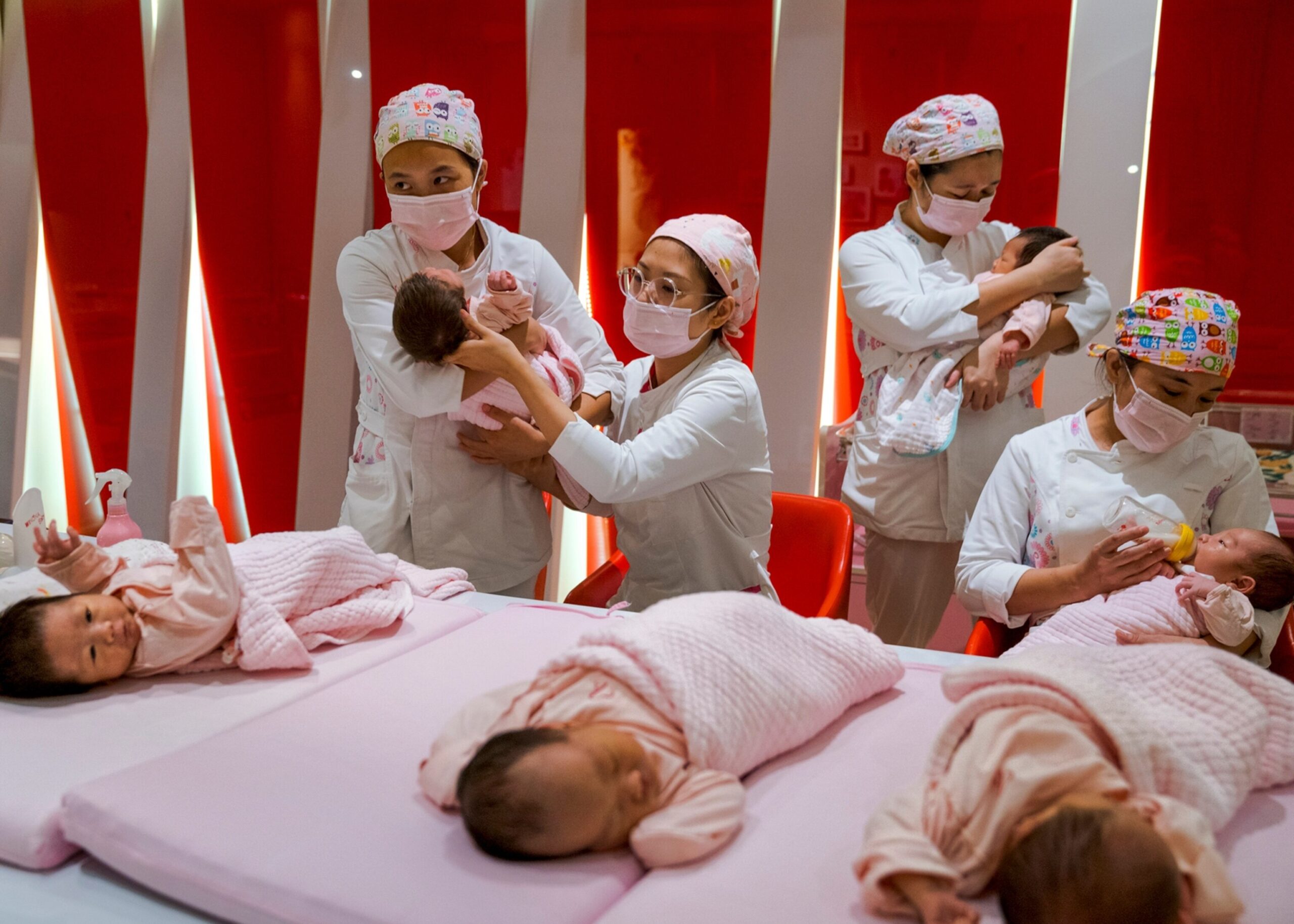
The change is part of a broader pronatalist strategy aimed at encouraging more births after years of falling fertility, despite the end of the one-child policy and later expansion to allow up to three children per family. Alongside the new tax, the government is offering incentives like extended maternity and paternity leave and tax breaks for childcare services.
But the move has drawn widespread criticism and social media ridicule, with many saying making contraception more expensive won’t address the real barriers to having children — such as housing costs and work pressures. Some health experts also warn it could unintentionally reduce access to contraceptives and increase public health risks.